How Do Cysts or Pustules Become Infected Again
Overview
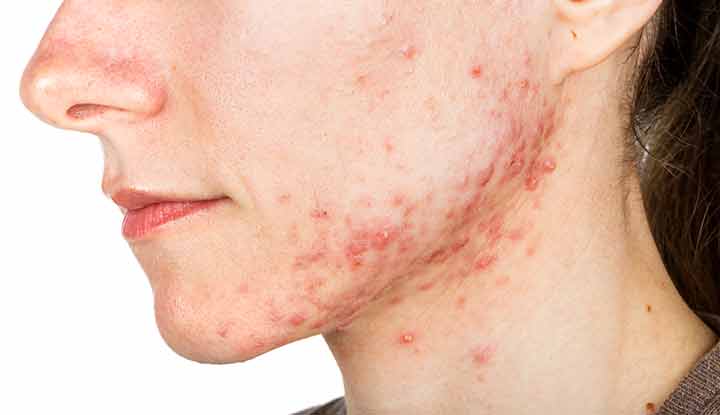
What is cystic acne?
Cystic acne is a type of inflammatory acne that causes painful, pus-filled pimples to grade deep under the skin. Acne occurs when oil and dead skin cells clog pare pores.
With cystic acne, bacteria also gets into the pores, causing swelling or inflammation. Cystic acne is the most severe blazon of acne. Acne cysts are often painful and more than probable to crusade scarring.
What's the difference between an acne cyst and an acne nodule?
Nodular acne and cystic acne are very similar. Both cause deep, painful bumps nether the peel. And both can scar. Differences include:
- Acne cysts are filled with pus, a fluid.
- Acne nodules are more solid and harder than acne cysts because they don't contain fluid.
Symptoms and Causes
What causes cystic acne?
Pores in the skin tin can clog with excess oil and dead skin cells, causing pimples. Bacteria tin enter the peel pores and get trapped forth with the oil and skin cells. The skin reaction causes swelling deep in the skin'southward centre layer (the dermis). This infected, red, bloated lump is an acne cyst.
Cystic acne causes include:
- Age (teenagers are more prone to cystic acne).
- Family history of cystic acne.
- Hormone changes during the teenage years and sometimes during menopause, and stress.
What does cystic acne look similar?
Acne cysts resemble boils, a type of pare infection. An acne cyst may be:
- A cherry lump under the pare.
- Painful or tender to touch.
- Small equally a pea or big as a dime.
- Oozing pus from a whitish-yellow head.
- Crusty.
Where do acne cysts develop?
A cystic acne breakout may cover a large surface area of skin. Cystic acne tends to appear on the confront, which has a lot of oil glands. But you can also get acne cysts on your:
- Back.
- Butt.
- Breast.
- Cervix.
- Shoulders.
- Upper arms.
Diagnosis and Tests
How is cystic acne diagnosed?
A dermatologist, a physician who specializes in skin weather, can examine your pare and make a cystic acne diagnosis.
Management and Treatment
How is cystic acne managed or treated?
Acne cysts can be difficult to treat. Because they tin scar, you should seek help from a dermatologist instead of trying over-the-counter acne products. A dermatologist can teach you how to care for cystic acne.
It can take three months or more to clear up acne cysts. Treatment oftentimes involves taking oral antibiotics and applying prescription-strength topical gels or creams to the skin.
Cystic acne treatments include:
- Antibody creams, gels solutions and lotions to kill bacteria and decrease inflammation.
- Azelaic acid (Azelex®, Finacea®) or salicylic acid to kill bacteria and go rid of excess expressionless skin cells.
- Benzoyl peroxide to reduce the number of leaner on the skin.
- Retinoids (adapalene, tretinoin, tazarotene among others), vitamin A derivatives that aid slough dead peel cells.
What are other cystic acne treatments?
Other treatments for cystic acne include:
- Corticosteroid injections: Used to apace shrink large, painful acne cysts.
- Incision and draining: Helps to open up an acne cyst and drain the pus.
- Birth control pill or spironolactone: Used by women to lower hormone levels that cause cystic acne.
- Isotretinoin: An oral retinoid (nigh unremarkably called Accutane).
What are the complications of cystic acne?
Opening upwards acne cysts — by popping or picking them — increases the risk of scarring and bacterial skin infections like cellulitis.
Some people develop pigment changes (lite or dark) spots at the site of the acne cyst after the skin clears up. These spots may exist pinkish, purple, red, black or brownish. They eventually fade away, just it may take more than a year.
Prevention
How can I prevent cystic acne?
You can lower your risk of getting acne past taking these steps:
- Employ a mild foaming facial cleanser, lukewarm water and your fingers (non a washcloth or sponge) to launder your face up subsequently yous wake up, before going to bed and after exercising or sweating.
- Apply oil-free moisturizer if you feel dry.
- Use noncomedogenic (h2o-based) makeup and facial products.
- Don't sleep in makeup.
- Go on your hands away from your face during the twenty-four hours.
- Don't selection at or pop pimples or scabs.
- Launder your hair regularly and proceed hair (which tin be oily) abroad from your face.
- Occasionally oily environments, such as working at a fast food restaurant, can contribute to acne flares.
- Diets high in unproblematic sugars and dairy, also chosen a high glycemic alphabetize diet, may contribute to flares too.
Outlook / Prognosis
What is the prognosis (outlook) for people who have cystic acne?
Near people with cystic acne can prevent severe breakouts or speedily treat acne cysts to prevent scarring. Frequently, simply not always, cystic acne clears up or diminishes with historic period, as hormones settle downwardly.
Severe or untreated cystic acne can touch on how yous feel about your appearance, making you anxious or depressed. If cystic acne bothers you, talk with your healthcare provider about getting help with fostering a positive self-epitome.
Living With
When should I telephone call the doctor?
You should call your healthcare provider if you feel:
- Bloated, red, painful pimples.
- Acne or scarring that makes you feel self-witting.
- Signs of a skin infection.
What questions should I ask my doctor?
Y'all may desire to ask your healthcare provider:
- What causes cystic acne?
- What is the all-time cystic acne treatment?
- What are the handling side furnishings?
- How can I lower my chances of getting acne cysts?
- How can I prevent scarring or other complications?
A note from Cleveland Clinic
It'south tempting to want to touch or selection at painful, swollen acne cysts. But cystic acne is more likely than other zits to scar or develop infections. A dermatologist can offer suggestions to prevent cystic acne. This dr. can likewise treat painful acne cysts, lowering the chances of scarring. Antibiotics and topical (pare) creams are effective cystic acne treatments.
Source: https://my.clevelandclinic.org/health/diseases/21737-cystic-acne
0 Response to "How Do Cysts or Pustules Become Infected Again"
Post a Comment